Why a half-day with no plan is worth protecting
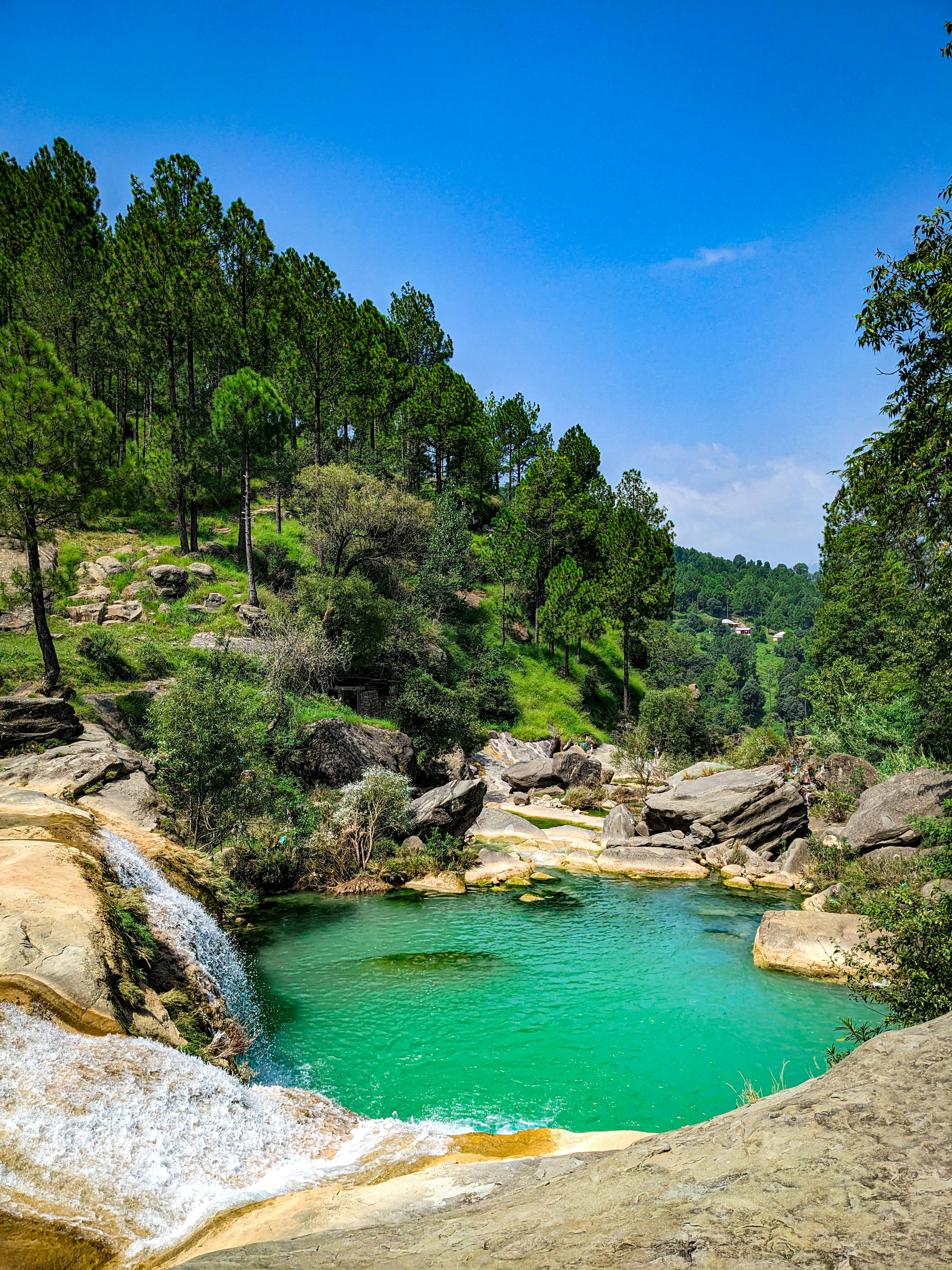
Photo via Unsplash
Most time off still gets planned like work — an itinerary, a list of things to see, a schedule to keep even on a day meant for rest. A half-day with genuinely nothing decided in advance is rarer, and it does something a planned outing usually doesn't: it leaves room for something unplanned to actually happen.
What "no plan" actually means here
Not zero destination — you still need somewhere to go. It means no itinerary once you're there: no list of things to see by a certain time, no route mapped out in advance. Pick a general direction — a trail, a park, a spot near water — and let what happens once you arrive be undecided.
Why a scheduled day off doesn't give the same reset
A day packed with planned activities, even enjoyable ones, still asks something of your attention the whole way through — where to be next, whether you're on schedule, what's coming up. A half-day with nothing decided removes that layer entirely. The rest comes not just from being outside, but from not managing anything while you're there.
Why this is harder to protect than it sounds
Unplanned time has a way of quietly filling itself with errands, or with a phone that comes out "just for a photo" and stays out. Protecting a half-day like this usually means deciding in advance what it's not for — not for errands, not for catching up on messages — even though nothing else is decided either.
It doesn't need to be far or dramatic
A striking place, like a trail near a waterfall, makes it easier to want to go — but the actual mechanism here is the lack of a schedule, not the scenery. A nearby park with a few free hours works on the same principle, even if it looks far less impressive in a photo.
A planned day off tells you what to expect from it. An unplanned one leaves space for something you didn't expect to happen at all.
Try it once this month
Pick a half-day, choose a general direction rather than a plan, and leave the rest undecided. It won't feel productive in the moment, and that's the part that's actually doing the work.